From Zayton to New York · Vol. 5
Mandeng Foli: The Classical Music of the Mandeng People
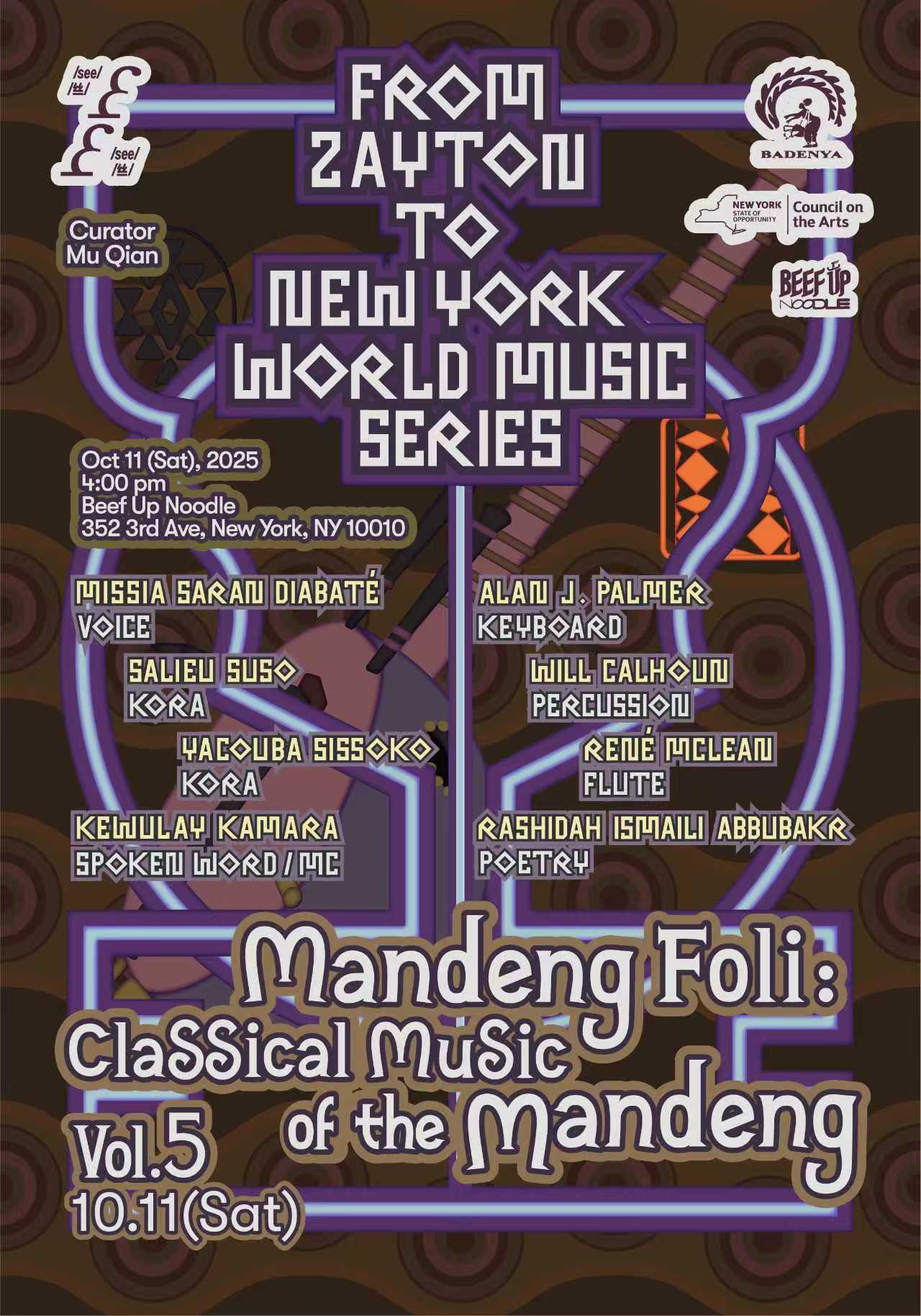
- Date
- Saturday, October 11, 2025
- Time
- 4:00 PM
- Venue
- Beef Up Noodle
352 3rd Ave, New York, NY 10010 - With
- Kewulay Kamara and Friends
- Presented by
- See See Records
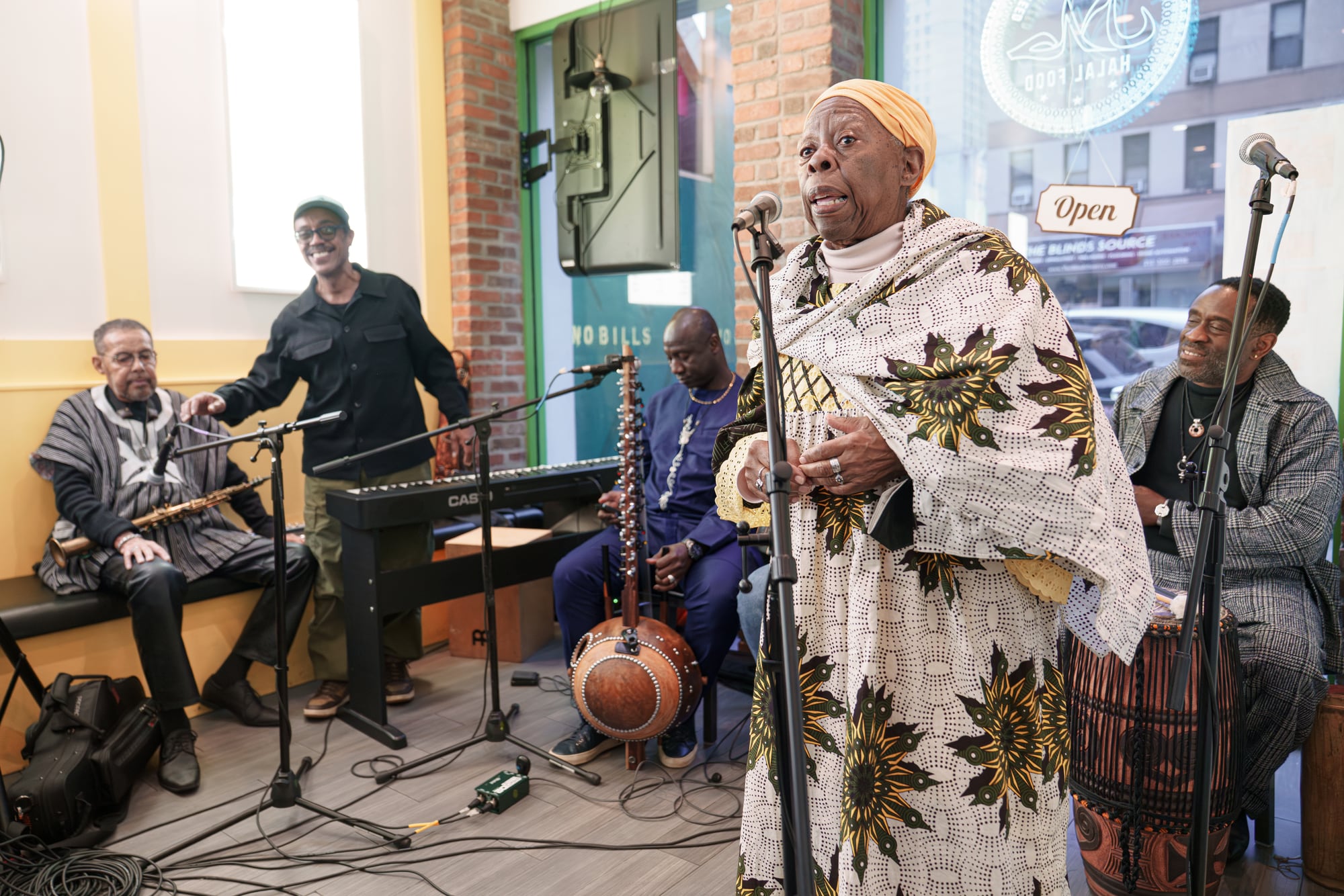
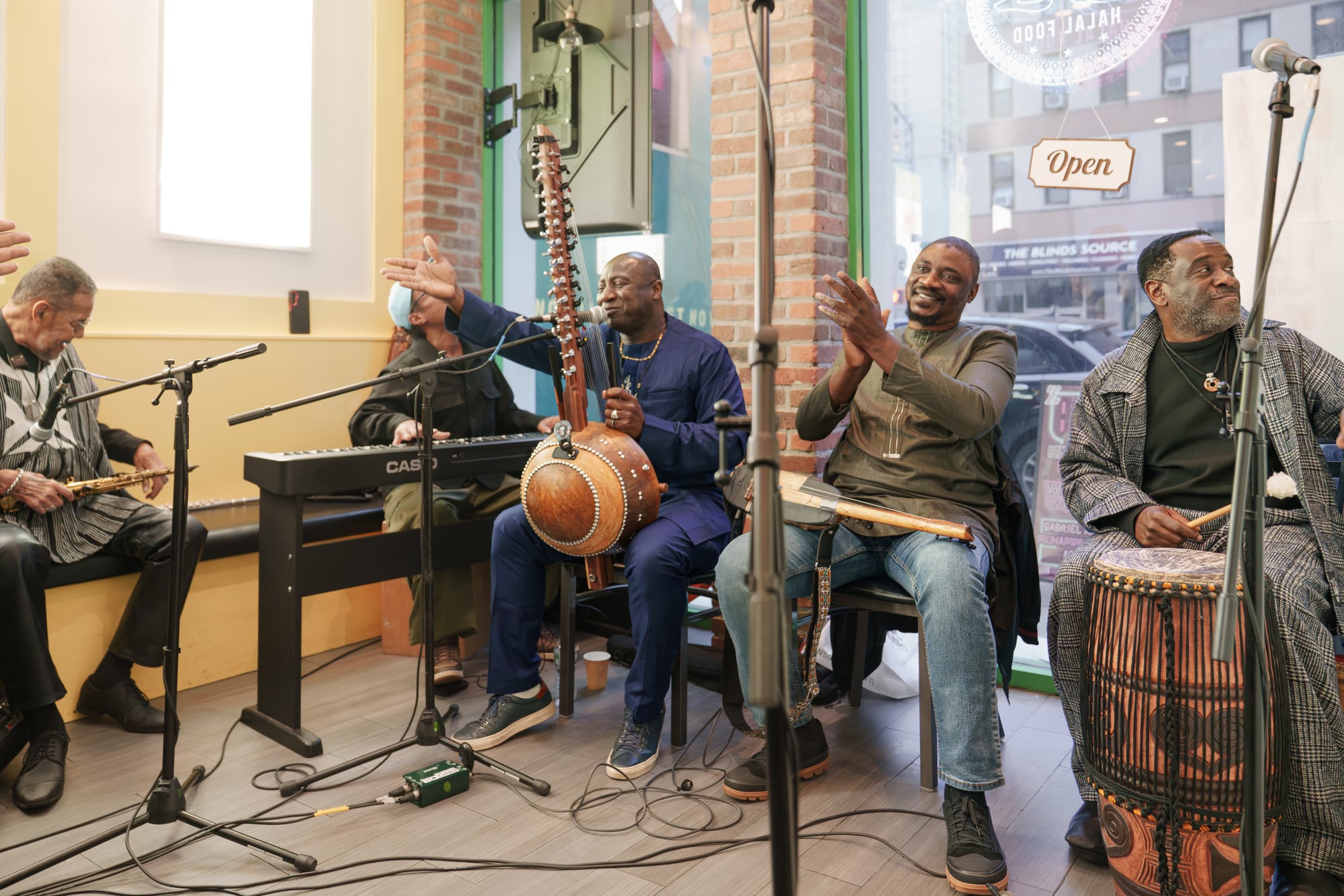
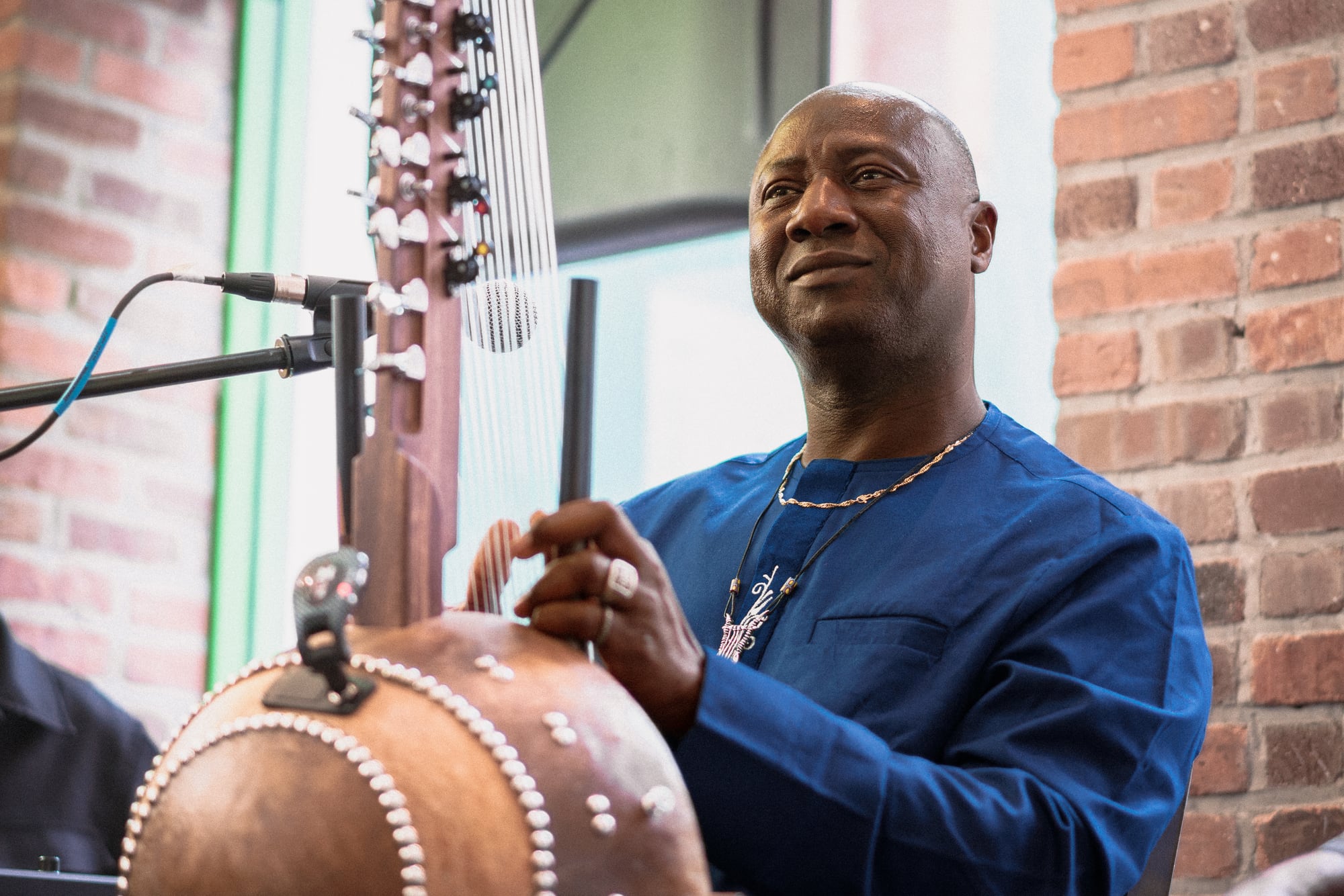
“Speaking Music” of West Africa: kora, bala, song and spoken word from lineages that carry the classical repertoire of the Mandeng, joined by artists of the African diaspora.
Mandeng Foli: speaking music
This afternoon we shall give a brief introduction to the culture, in particular the music of West Africa and a specific people, the Mandeng. Mandeng is the African name of the empire known in textbooks as Mali. It encompasses the countries of today: Sierra Leone and Liberia, Guinea, parts of Senegambia, and Mali.
This art form, Mandeng Foli, Speaking Music, interacts with singers, instrumentalists, orators, and people. Occasions can include the enthronement of a chief or king, weddings, naming ceremonies, and initiation ceremonies. Its primary functions are to inform, inspire, and guide. Thus, the music “speaks.” Speaking is part of the process, and the other is listening; thus, we get call and response.
The compositions of words, spoken or sung, are called “Baro”. Conversation in music or poetry, sharing stories, is about spending time together communicating and listening.
The Mandeng classical repertoire is set by standard pieces that all must master. Boloba on the Bala is a masterpiece in the Mandeng language. Regional differences are taken into account. In Gambia, “Alla la ke”, the work of Allah, must be mastered by kora instrumentalists and singers. In Gambia and Mali, there are Fasson and Yanyon. These are spiritual in nature and speak to the endurance and survival of evil.
The role of the instrument is equal to the purpose and recitation of the singer or storyteller. Here, we see the call-and-response of saying and listening, which equals Speaking Music.
This afternoon, we have people who descend from lineages that “speak” kora, bala, and song. Their families are renowned for their mastery of both instrument and repertoire. They are responsible for the careful interpretation and maintenance of the culture. And we have the tradition of the Finah, people who live by the word. They are related to the Jali, but are held responsible to the word.
We are including Africans from the Diaspora, the Americas, and the Caribbean who embrace the notion of “Speaking Music,” as exemplified in the work of Abdullah Ibrahim from South Africa or in the work of René McLean, who carries the legacy of Jackie McLean and his godfather, Sonny Rollins. It is our pleasure to present this music and history to enhance our understanding of the cultures of Africa and the African Diaspora.
Finaya
The Finah, among the Mandeng, are the people who are poets and oral historians, repositories of community knowledge, which affords them the capacity to act as mediators in all matters within families, communities, and nations. The Finah are charged with giving voice to complex issues without fear of repercussions. They are trusted to listen and voice the truth as they see it; that noble but humble position makes them the voice of the voiceless, the voice of the sovereign, and as such the fundamental pillars of stability and healing in their community.
The Finah is often conflated with the Mandeng Jali, a renowned group of musicians and bards. However, as much as a Finah may sing and dance, their home is the domain of the spoken word, for which they live. Finaya, the way of the Finah, is a way of life, a living tradition that is intangible cultural heritage.
The programme is in two parts: the first is the classical repertoire of song and story, and the second part is a sharing and conversation of two sounds of music connected by cultural and spiritual heritage.
Performers
Missia Saran Diabaté (voice), Yacouba Sissoko (kora), Salieu Suso (kora), Kewulay Kamara (spoken word, MC), Alan J. Palmer (keyboard), Will Calhoun (percussion), René McLean (flute), Rashidah Ismaili Abbubakr (poetry).
Photographs
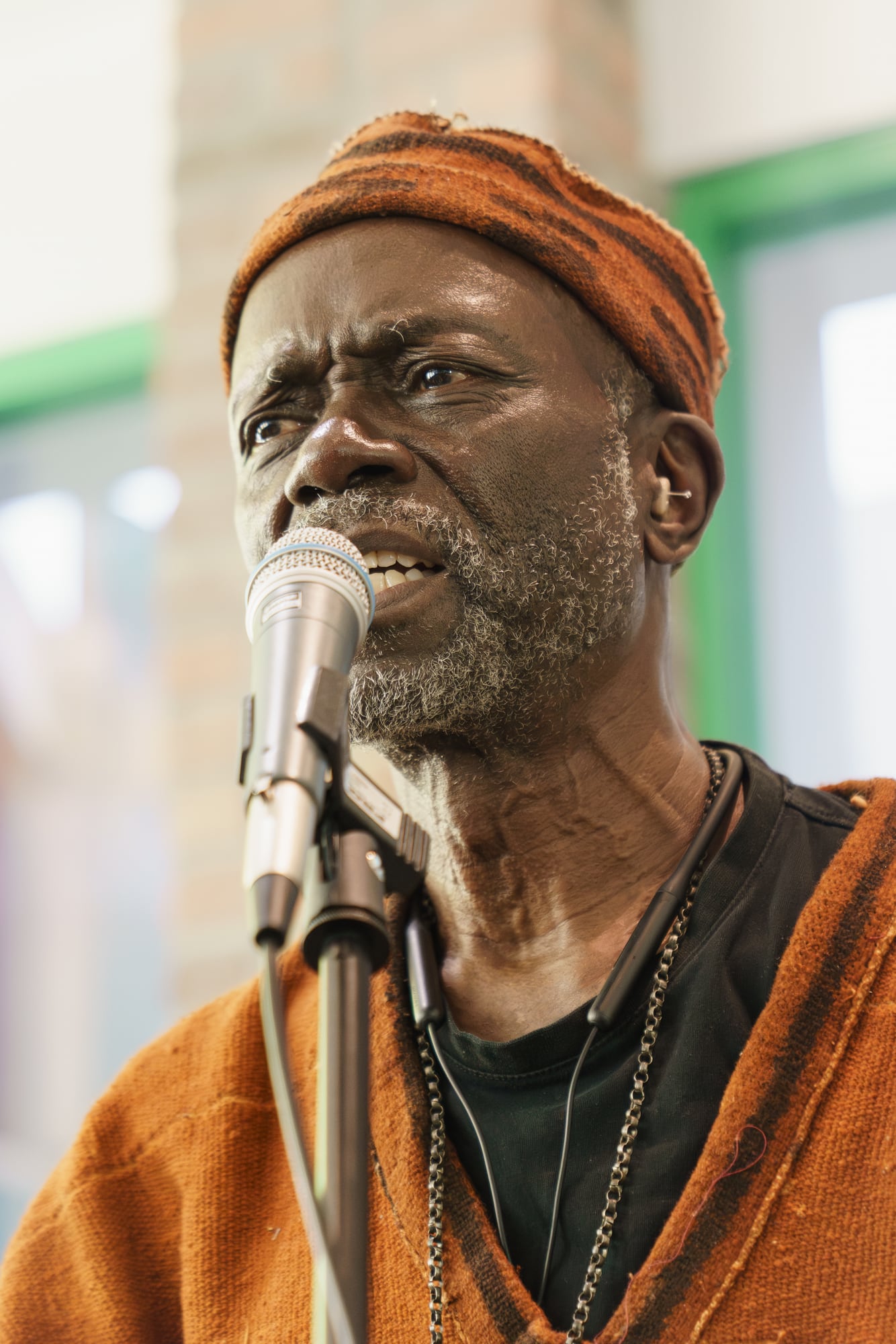
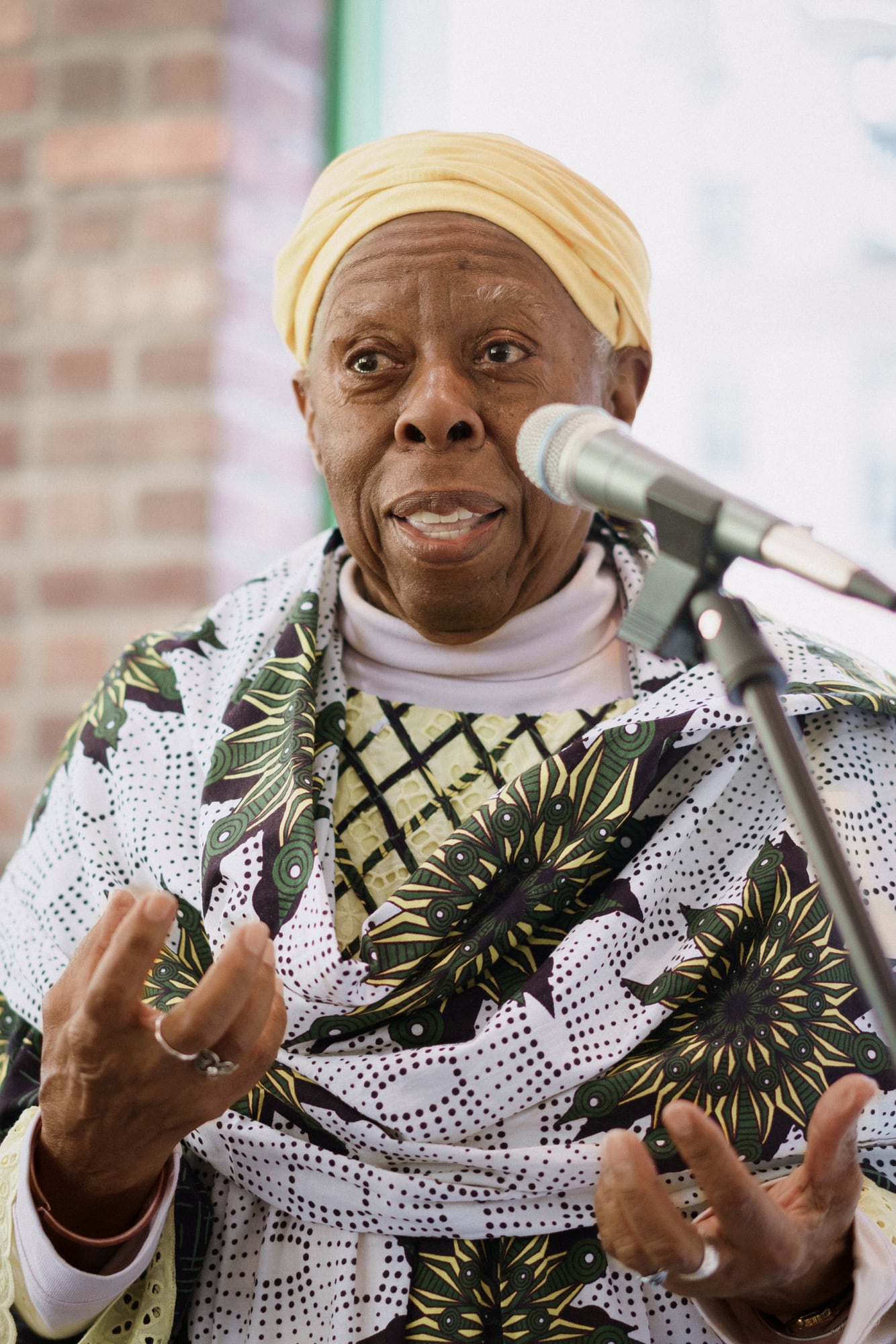
Credits
- Curator
- Mu Qian @mu.qian.1
- Producer
- Shi Qianyi eveshi@seeandsea.org
- Poster design
- Haolun Liu @lhl_bicycle
- Sound engineer
- Kaiwei Yip @yippeekaiwei
- Photography
- Tao Ho @toseiho
With thanks to
- Barbash Family Fund
- New York Chinese Opera Society Inc
- Neurocrine Biosciences, Inc.
Presented by See See Records, the record label of See & Sea Culture Foundation, a 501(c)(3) non-profit organization.